
Our Programmes
Our Core Programmes
Assist → Respond → Recover → Advocate

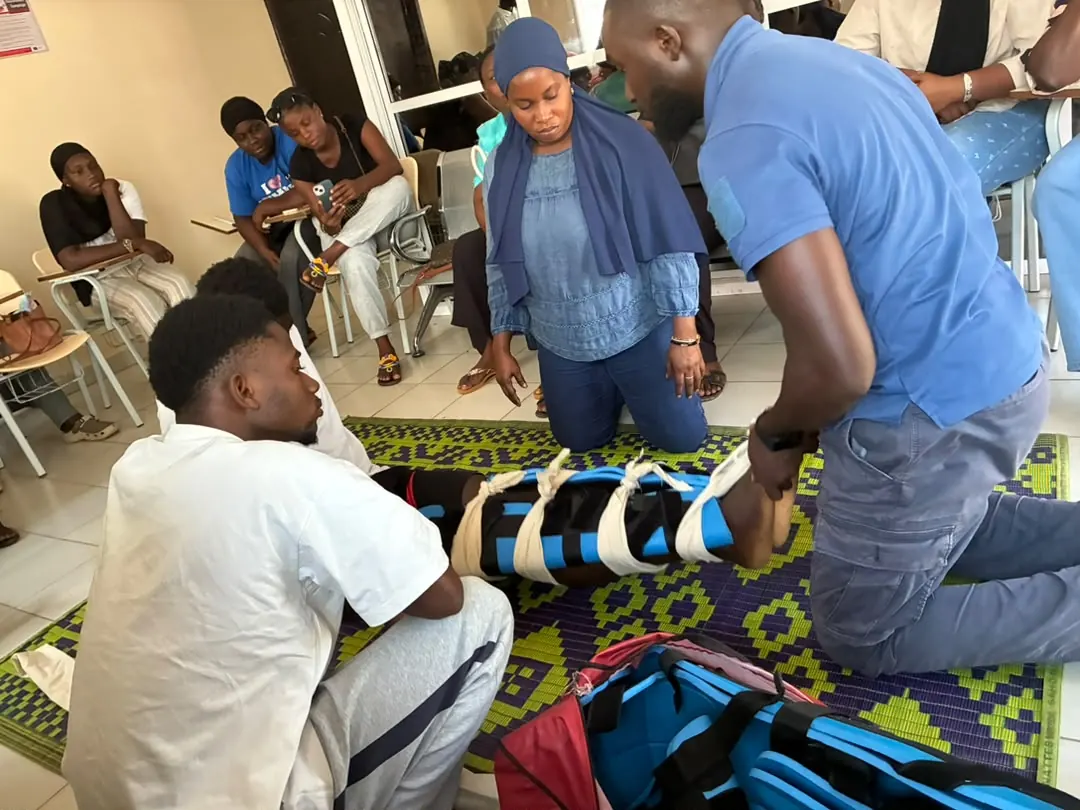 01 · Assist
Community First Responder Programme
Equipping drivers, transport operators and community members with basic first aid knowledge and the confidence to respond appropriately.
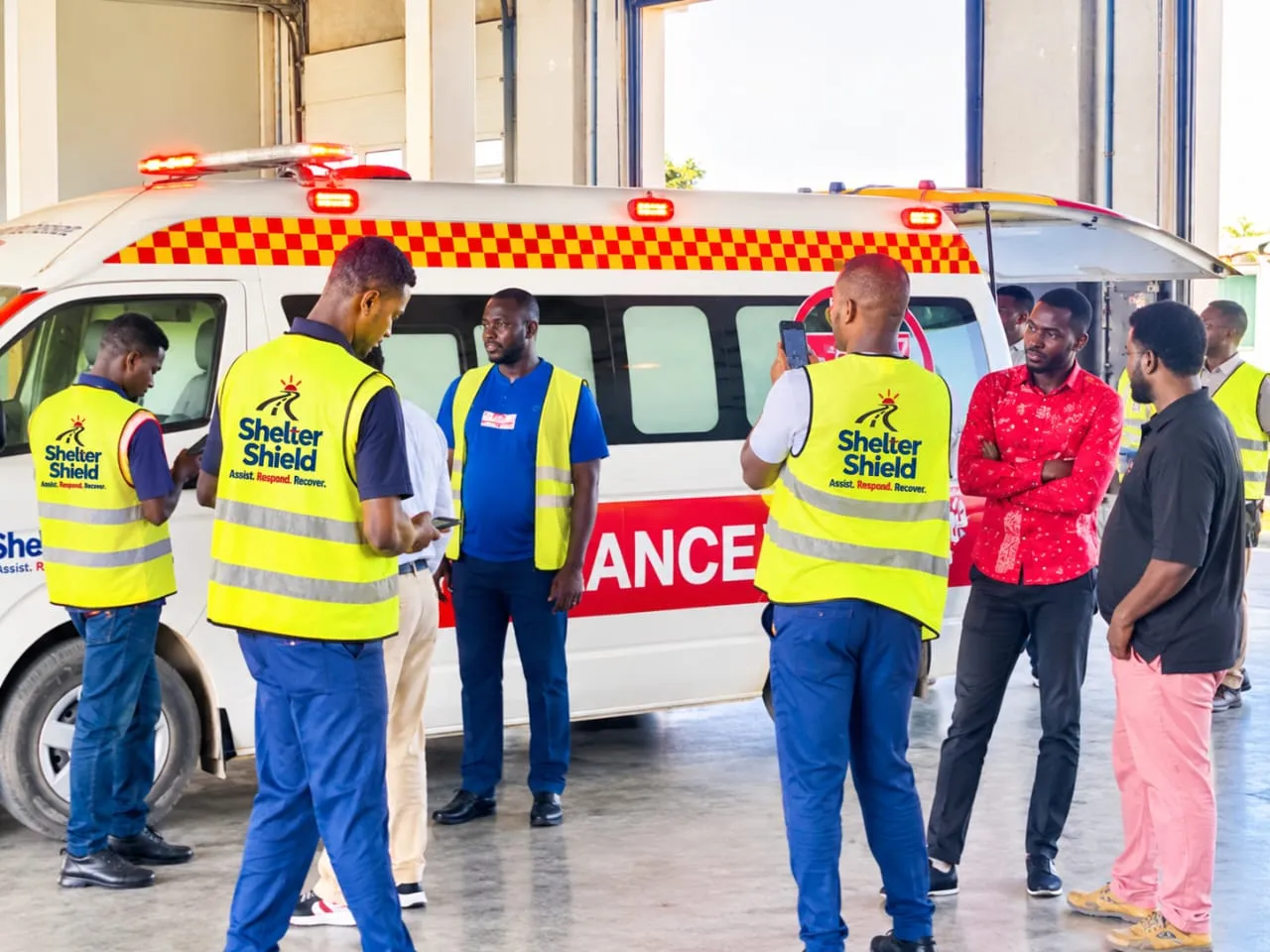 02 · Respond
Emergency Response & Safe Victim Transfer
Promoting early assistance, coordination with relevant emergency services and safe access to appropriate healthcare.
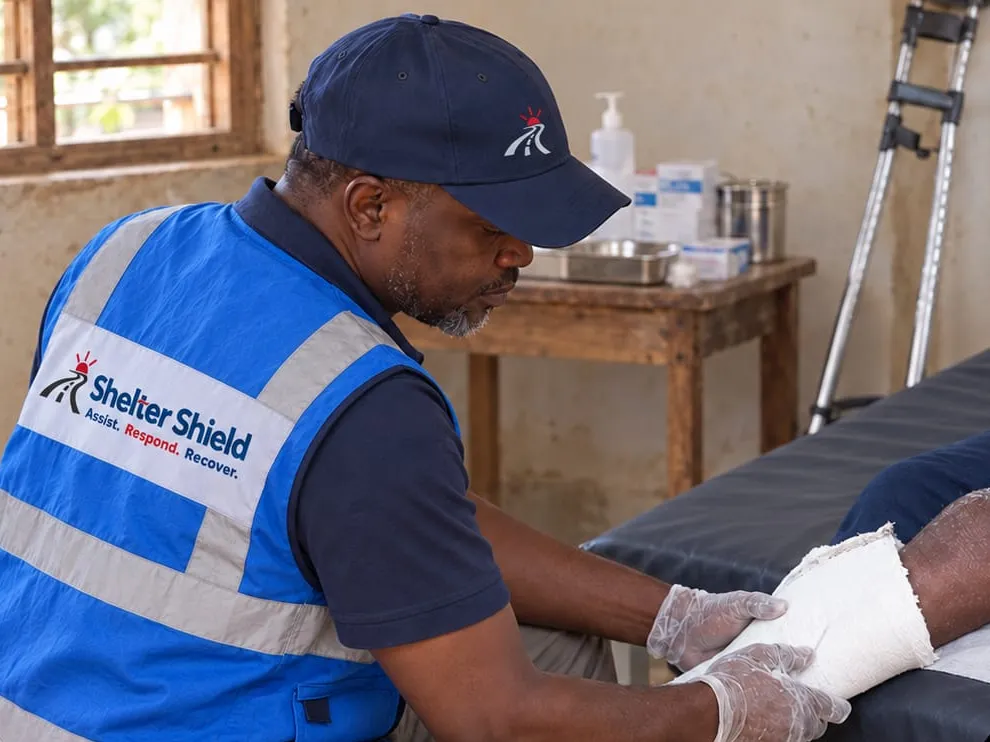 03 · Recover
Victim Recovery and Reintegration
Recognising that the needs of survivors continue beyond hospital treatment and supporting their rehabilitation and return to community life.
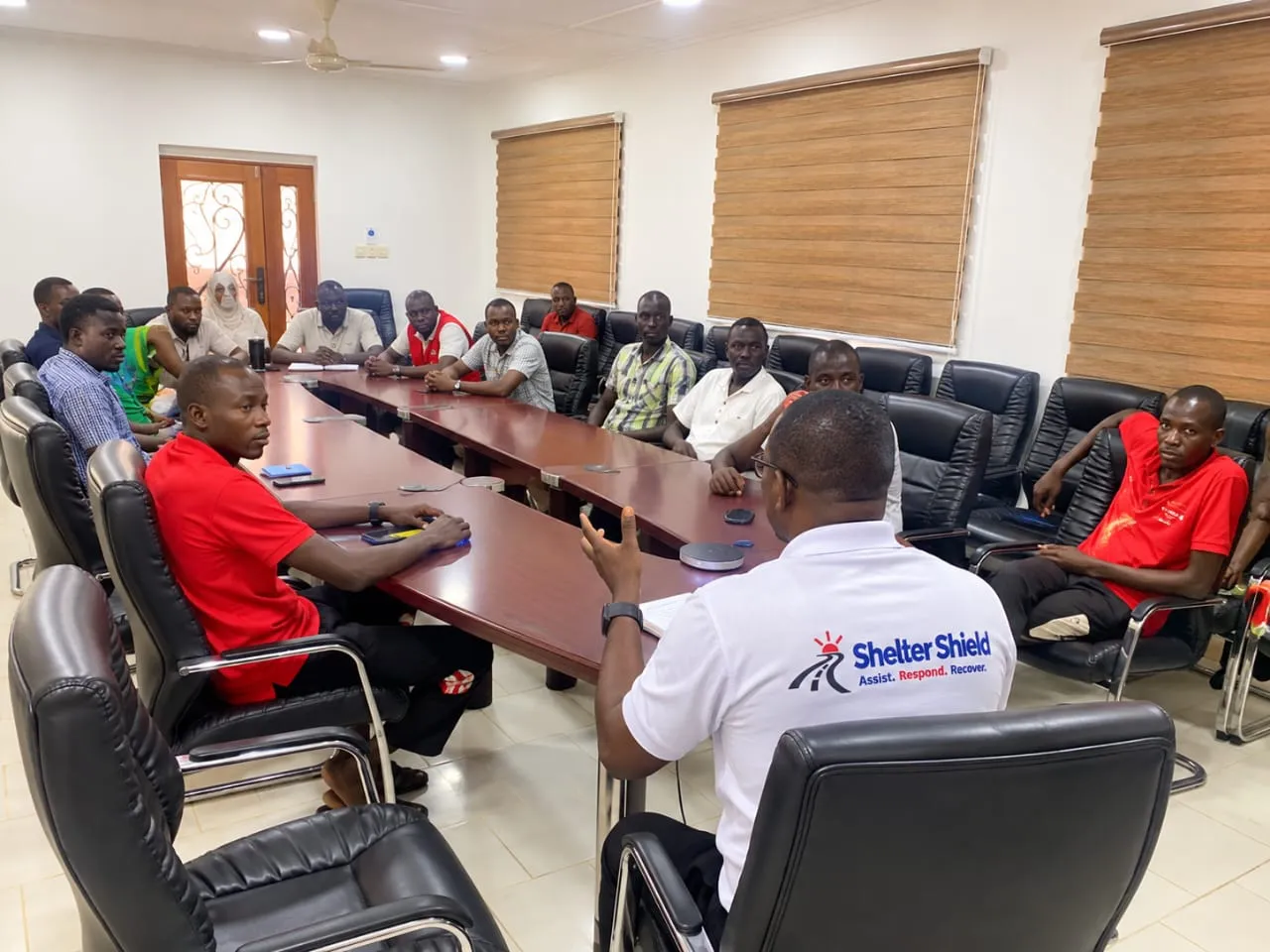 04 · Advocate
Advocacy, Policy Engagement and Research
Working with relevant stakeholders to strengthen policies, services and systems that support road-crash victims.
How the programmes work together
The four programmes are intended to reinforce one another. Community first responders can help connect an injured person to assistance. Better communication and safer transfer can support access to appropriate care. Recovery and reintegration work can help survivors and families navigate what follows. Research and advocacy can use learning from these experiences to improve the wider systems that shape post-crash outcomes.
This is not a one-size-fits-all sequence. People may enter support at different points, and some may need only one kind of assistance while others face several challenges at once. Shelter Shield’s role is to help build stronger connections around them and to work with partners so that support is practical, respectful and rooted in local realities.
Working together
Shelter Shield welcomes collaboration with professionals, community groups, government institutions, international and humanitarian organisations, foundations, businesses and people with lived experience. Collaboration may include programme funding, technical assistance, responder training, emergency equipment and supplies, rehabilitation and psychosocial support, research, policy engagement, institutional development or knowledge exchange.
We value partnerships that respect local leadership, make responsibilities clear and focus on lasting benefit for communities and survivors. We are open to discussing how shared priorities could be developed into a practical collaboration.