
Our Core Programmes · 02
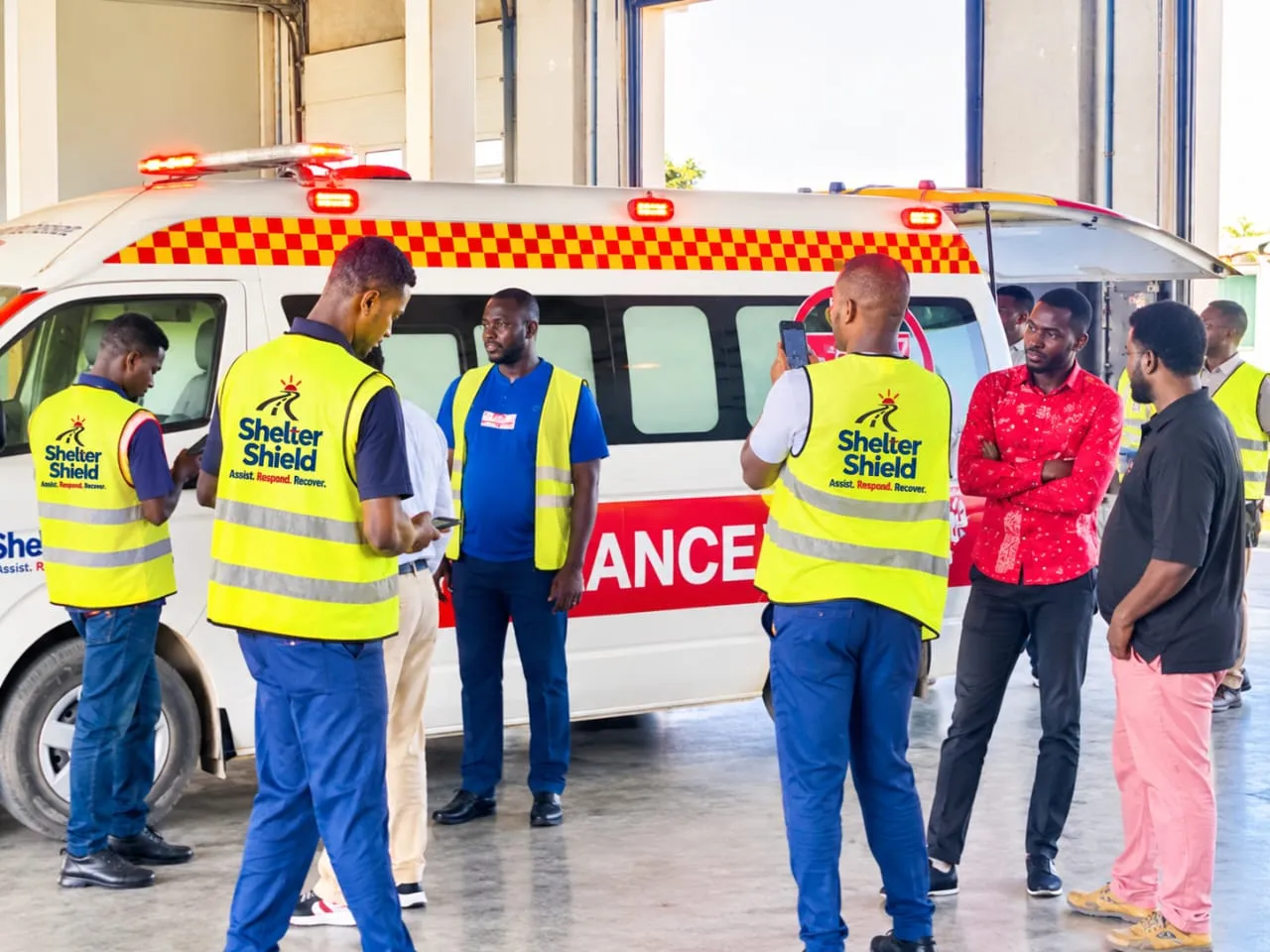
Emergency Response & Safe Victim Transfer
Strengthen emergency coordination, safe victim transfer and referral to appropriate health facilities.
Our post-crash care pathway · Respond
Overview
For someone injured in a road crash, getting to the right care safely can be as important as receiving help at the scene. Delays, poor communication, unsafe movement or uncertainty about where to go can add strain to an already frightening situation. Shelter Shield’s Emergency Response & Safe Victim Transfer programme focuses on the pathway from incident recognition to appropriate care.
The programme aims to strengthen coordination among community members, emergency responders, transport providers and health facilities. It recognises that emergency response is a chain: someone must identify the need, communicate what has happened, arrange assistance, protect the injured person during the wait and support a safe transfer to a facility able to provide care.
Programme priorities
- Improve awareness of how and when to activate emergency assistance, including what information to share about location, number of people affected and immediate hazards.
- Encourage coordinated communication between community responders, ambulance or other emergency services, receiving facilities and relevant local authorities.
- Promote safe and appropriate victim handling and transfer, guided by qualified health and emergency-response professionals.
- Help identify practical barriers to timely transfer, such as unclear referral routes, distance, communication gaps or limited access to suitable transport.
- Support clearer referral and handover practices so that essential information can travel with the survivor to the next point of care.
- Encourage attention to the needs of people who may face additional barriers during an emergency, including children, pregnant people, older adults and people with disabilities.
A connected response pathway
Shelter Shield works with local partners to map the steps people currently take after a crash and identify where the process breaks down. This may include community notification, dispatch or referral, transport arrangements, arrival at a facility and handover to health personnel. The goal is not to create a parallel emergency service, but to strengthen coordination and make existing routes clearer and safer.
Depending on local needs and partner capacity, activities may include developing simple response and referral guidance; convening responders and health facilities to agree on communication protocols; providing orientation for community groups; supporting scenario-based exercises; and documenting challenges that require attention from decision-makers. Any patient movement or transfer guidance must be developed or reviewed by qualified medical and emergency-response professionals and aligned with applicable national protocols.
Safe transfer means more than transport
A safe transfer begins with decisions made at the scene. It includes protecting the casualty and responders from additional danger, avoiding unnecessary movement where movement may worsen an injury, choosing an appropriate destination, communicating with the receiving facility where feasible and handing over relevant information clearly. It also means treating the injured person with respect, explaining what is happening where possible and protecting their privacy throughout the process.
What progress may look like
Progress includes more consistent use of agreed communication and referral steps; stronger working relationships between communities, responders and health facilities; improved understanding of safe transfer principles; fewer avoidable gaps in handover; and better documentation of the barriers that need system-level attention. The programme will use partner feedback and practical learning to identify what is working and what needs to change.
Our Core Programmes
- 01Community First Responder Programme
Equipping drivers, transport operators and community members with basic first aid knowledge and the confidence to respond appropriately.
- 02Emergency Response & Safe Victim Transfer
Promoting early assistance, coordination with relevant emergency services and safe access to appropriate healthcare.
- 03Victim Recovery and Reintegration
Recognising that the needs of survivors continue beyond hospital treatment and supporting their rehabilitation and return to community life.
- 04Advocacy, Policy Engagement and Research
Working with relevant stakeholders to strengthen policies, services and systems that support road-crash victims.