
Our Core Programmes · 03
Victim Recovery and Reintegration
Support survivors and affected families through rehabilitation referrals, psychosocial support and reintegration.
Our post-crash care pathway · Recover
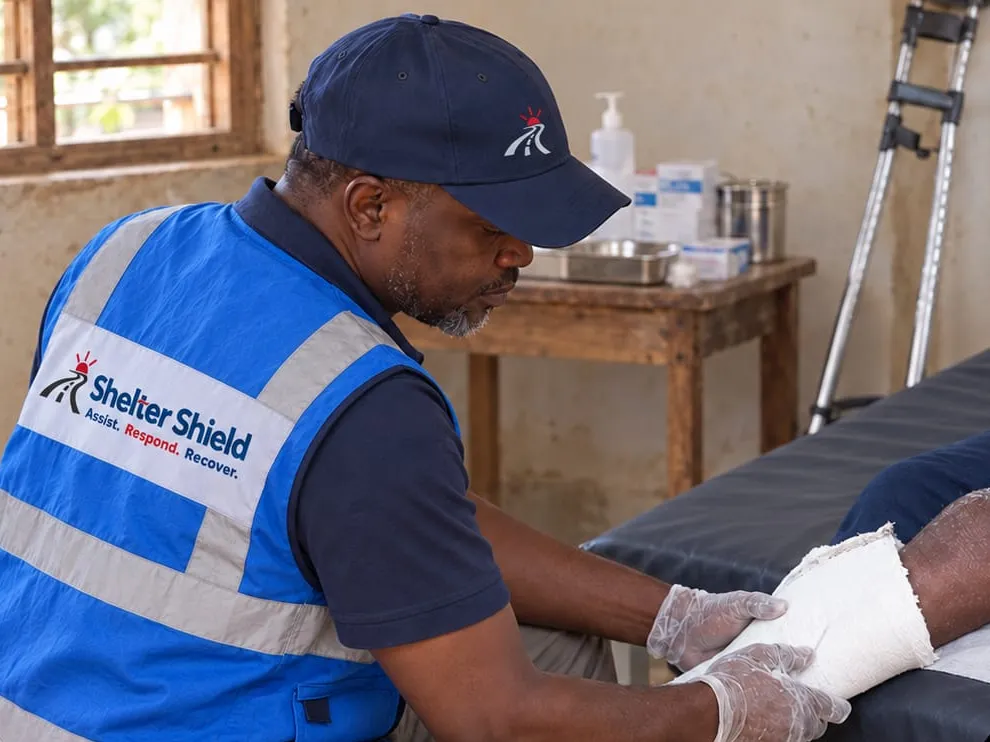
Overview
Surviving a road crash is often the beginning of a long and demanding recovery. A person may be living with pain, reduced mobility, disability, emotional distress, interrupted education or work, financial pressure or changes in family responsibilities. Some needs are visible; others are private and may take time to emerge. Recovery is therefore not only a medical process. It is also about safety, relationships, confidence, independence and belonging.
Shelter Shield’s Victim Recovery and Reintegration programme aims to support survivors and families as they navigate the effects of a crash and reconnect with the parts of life that matter to them. Support is shaped around each person’s circumstances and choices. It complements, not replaces, professional medical, rehabilitation, mental-health, legal or social services.
A person-centred recovery pathway
With the survivor’s agreement, the programme helps identify immediate priorities, explain available options and connect the person with relevant services. This may involve referrals to health or rehabilitation providers, disability support, psychosocial services, social protection, education or employment resources. Where services are limited or difficult to access, Shelter Shield works with partners to document the gap and advocate for a better response.
Areas of support
- Recovery navigation: helping survivors and families understand possible next steps and find appropriate services, based on locally available options.
- Rehabilitation and disability inclusion: connecting people with rehabilitation expertise, assistive support or disability organisations, and encouraging accessible, respectful services.
- Psychosocial wellbeing: recognising the emotional impact of crashes and facilitating appropriate support through trained professionals and trusted services.
- Family and caregiver support: acknowledging the practical and emotional demands placed on families and helping them identify information, referrals and peer support where available.
- Reintegration: supporting a survivor’s return to education, work, community activities and family life in ways that respect their goals, pace and abilities.
- Rights, dignity and voice: helping ensure survivors are listened to and involved in decisions that affect their care and participation.
Recovery with dignity
Survivors are not reduced to their injuries or expected to follow a single definition of recovery. Some people may want to return to work quickly; others may need time, treatment or a different pathway. Some may choose to share their experience in advocacy; others may prefer privacy. Shelter Shield always seeks to protect confidentiality, obtain informed consent before sharing personal information and avoid making support conditional on a survivor telling their story publicly.
The programme also encourages survivor participation in shaping services and policy. People with lived experience bring insight into the barriers that statistics alone may not reveal. Their contribution should be voluntary, supported and appropriately recognised, with care taken not to expose them to stigma or harm.
What progress may look like
Progress includes survivors reporting that they know where to seek help; successful referrals to appropriate services; improved access to rehabilitation or psychosocial support; increased participation in education, work or community life according to the survivor’s own goals; and stronger inclusion of survivor perspectives in programme design. Measures will focus on meaningful change, protect privacy and avoid suggesting that every person’s recovery follows the same timeline.
Our Core Programmes
- 01Community First Responder Programme
Equipping drivers, transport operators and community members with basic first aid knowledge and the confidence to respond appropriately.
- 02Emergency Response & Safe Victim Transfer
Promoting early assistance, coordination with relevant emergency services and safe access to appropriate healthcare.
- 03Victim Recovery and Reintegration
Recognising that the needs of survivors continue beyond hospital treatment and supporting their rehabilitation and return to community life.
- 04Advocacy, Policy Engagement and Research
Working with relevant stakeholders to strengthen policies, services and systems that support road-crash victims.