
Our Core Programmes · 04
Advocacy, Policy Engagement and Research
Promote stronger post-crash policies, research, public awareness and institutional collaboration.
Our post-crash care pathway · Advocate
Overview
The way a country responds to road crashes is shaped by decisions made long before and long after an individual incident. Laws, budgets, emergency systems, transport planning, health services and public understanding all influence whether people receive timely help and whether they can rebuild their lives. Shelter Shield’s Advocacy, Policy Engagement and Research programme works to bring these issues into public and institutional discussion.
Our advocacy is grounded in evidence, collaboration and the lived experience of people affected by road crashes. We aim to identify gaps in post-crash response and survivor support, share practical recommendations and engage constructively with the institutions and communities that can help address them.
What the programme seeks to advance
- Greater recognition of post-crash response as an essential part of road safety and public health.
- Policies and practices that support timely assistance, safe transfer, appropriate care and continuity of recovery.
- Better coordination among transport, health, emergency, local government and community actors.
- Accessible rehabilitation, psychosocial support and reintegration for survivors, including people living with lasting disability.
- Meaningful involvement of survivors and communities in decisions that affect their safety and recovery.
- Improved use of reliable information to understand needs, monitor progress and guide investment.
Research that is useful to people and decision-makers
Research helps make an often-overlooked part of road safety more visible. With appropriate partnerships and safeguards, Shelter Shield supports community consultations, service mapping, survivor-informed learning, reviews of referral pathways and analysis of policy or programme gaps. Research is proportionate, ethically conducted and designed to protect participants. Personal stories and sensitive information are handled with informed consent and respect for confidentiality.
Findings are shared in accessible forms such as briefings, community discussions, policy notes or learning events so that evidence can inform action beyond a report. Where data are incomplete, Shelter Shield is clear about what is known, what remains uncertain and what further work is needed.
Engaging constructively
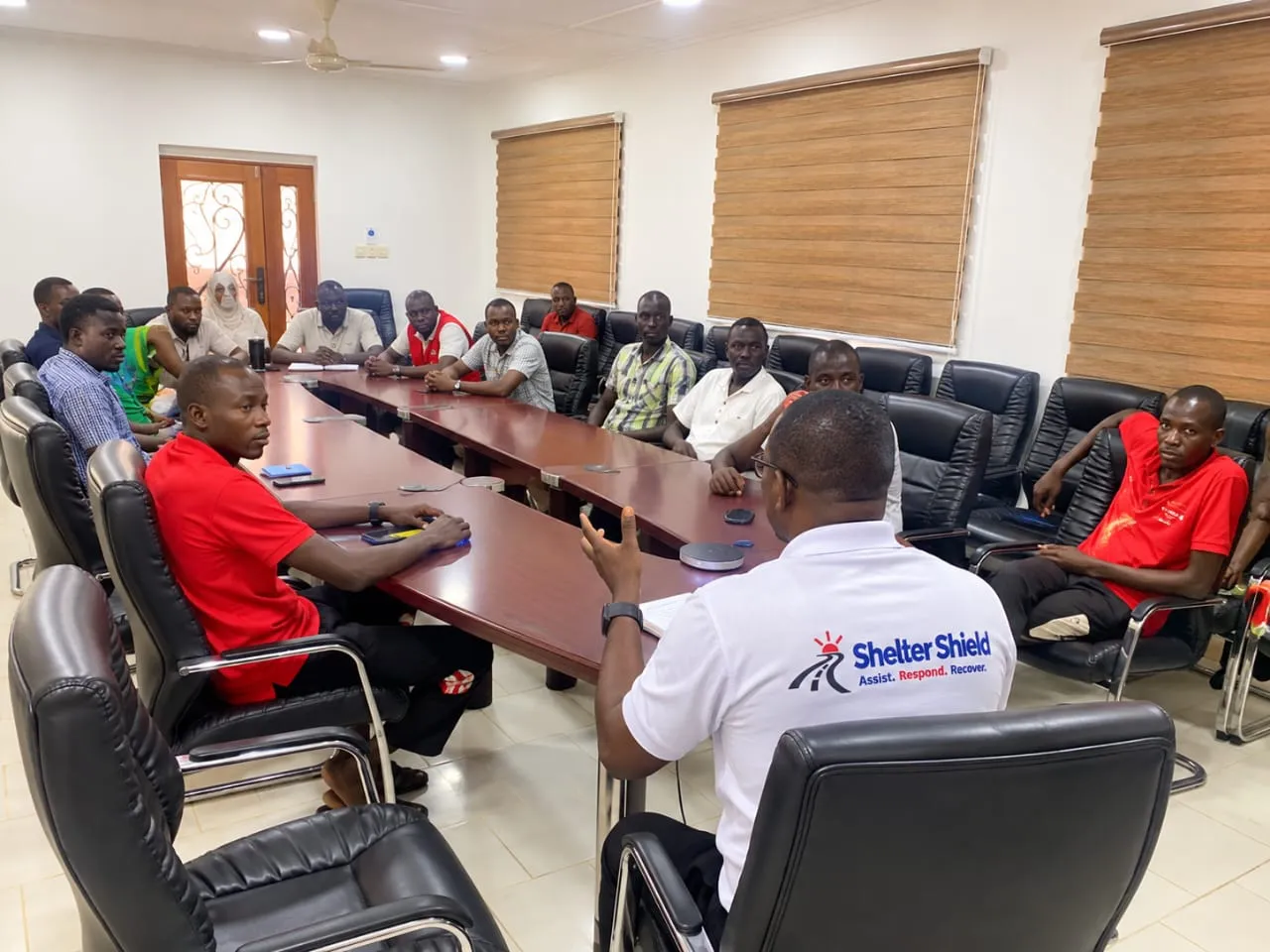
Our advocacy includes dialogue with government departments, local authorities, health and emergency services, civil society, professional bodies, researchers, development partners and the private sector. The programme can convene discussions, contribute survivor perspectives, develop practical recommendations and identify opportunities for shared action. Engagement is most useful when it is respectful, specific and connected to realistic steps that partners can take.
What progress may look like
Progress may include stronger recognition of post-crash needs in policy discussions; new or improved referral and coordination practices; survivor participation in consultations; research findings used in planning or resource decisions; and partnerships that lead to practical improvements. Shelter Shield will track not only the number of meetings or publications, but also whether engagement contributes to decisions, relationships or services that matter to survivors and communities.
Our Core Programmes
- 01Community First Responder Programme
Equipping drivers, transport operators and community members with basic first aid knowledge and the confidence to respond appropriately.
- 02Emergency Response & Safe Victim Transfer
Promoting early assistance, coordination with relevant emergency services and safe access to appropriate healthcare.
- 03Victim Recovery and Reintegration
Recognising that the needs of survivors continue beyond hospital treatment and supporting their rehabilitation and return to community life.
- 04Advocacy, Policy Engagement and Research
Working with relevant stakeholders to strengthen policies, services and systems that support road-crash victims.